


Measuring trade show return on investment (ROI) is one of the harder marketing activities to put a clean number on. Unlike a paid campaign online, with a click-through and conversion rate built in, a stand generates a mix of leads, conversations, brand visibility and relationship-building that doesn’t always show up neatly in a spreadsheet. That doesn’t mean it can’t be measured, it just means the measurement needs to be set up properly, starting well before the show itself.
Why trade show ROI is difficult to pin down
Part of the challenge is timing. A conversation on a stand might turn into a sale six months later, well after most post-show reports have been filed. Part of it is attribution, a lead might have come from the stand, but also from a follow-up email, a case study, or a colleague’s recommendation. And part of it is simply that some of the value, brand awareness, competitor intelligence, staff morale from being in front of real customers, isn’t easily captured in a single figure. None of this makes ROI unmeasurable, it just means the right metrics need to be agreed upfront.
Setting objectives before you book a stand
The single biggest factor in measuring trade show ROI accurately is agreeing what success looks like before the show, not after. A stand built to generate a set number of qualified leads should be measured differently to one built to launch a product or support an existing customer base. Write the objective down, agree it with everyone who’ll be staffing the stand, and build your measurement plan around it rather than trying to retrofit metrics afterwards.
Metrics worth tracking on the day
- Number of meaningful conversations, not just footfall past the stand.
- Qualified leads captured, ideally scored against a consistent set of criteria agreed in advance.
- Follow-up meetings or demos booked directly from the show.
- Competitor and market intelligence gathered by the team.
- Content and media generated, photography, video, social mentions, that extends the stand’s value beyond the show days.
Working out cost per lead
Cost per lead is one of the more useful, comparable figures, provided the total cost is calculated properly. That means stand design and build, space rental, travel and accommodation, staff time, and any marketing produced for the show, divided by the number of qualified leads generated. Comparing this figure across shows over time is often more useful than judging any single event in isolation, since it reveals which venues and formats genuinely work for your business.
The value that doesn’t show up in a spreadsheet
Some of the most valuable outcomes from exhibiting are qualitative. Direct feedback on products, a read on how competitors are positioning themselves, and the relationship-building that happens in person rather than over email all contribute to decisions made long after the show closes. It’s worth capturing this deliberately: a short debrief with the team while it’s fresh, rather than letting it go unrecorded simply because it’s harder to quantify.
Turning the numbers into your next stand brief
The most useful post-show reports feed directly into the next stand brief. If a particular layout drew more conversations, or a demo area outperformed a product display wall, that’s worth carrying into the next design. A trade show stand design and build partner who’s involved across multiple shows can help spot these patterns and adjust the stand accordingly, rather than starting from scratch each time.
Measuring trade show ROI FAQs
Set clear objectives before the show, agree which metrics map to those objectives, track them consistently on the day, and calculate cost per lead using the full cost of exhibiting, not just the stand build.
Add up stand design and build, space rental, travel, staff time and any show-specific marketing, then divide by the number of qualified leads generated. Tracking this figure across multiple shows makes it far more useful than judging one event alone.
Qualified leads give a more honest picture. Agree scoring criteria with your team in advance so everyone captures leads consistently, rather than counting every business card collected.
Exhibition-sourced sales can take months to close, particularly for higher-value or longer sales cycles. It helps to tag leads by source in your CRM so you can trace them through to a result, however long that takes.
Yes. Layout, visitor flow and having proper space for conversations all influence how many meaningful interactions a stand generates, which is why post-show feedback is worth feeding back into the next design brief.
Let's build a stand that pays for itself
Want a stand designed with measurable return in mind? Call us on +44 (0)1732 453322 or complete our contact form to discuss your objectives.
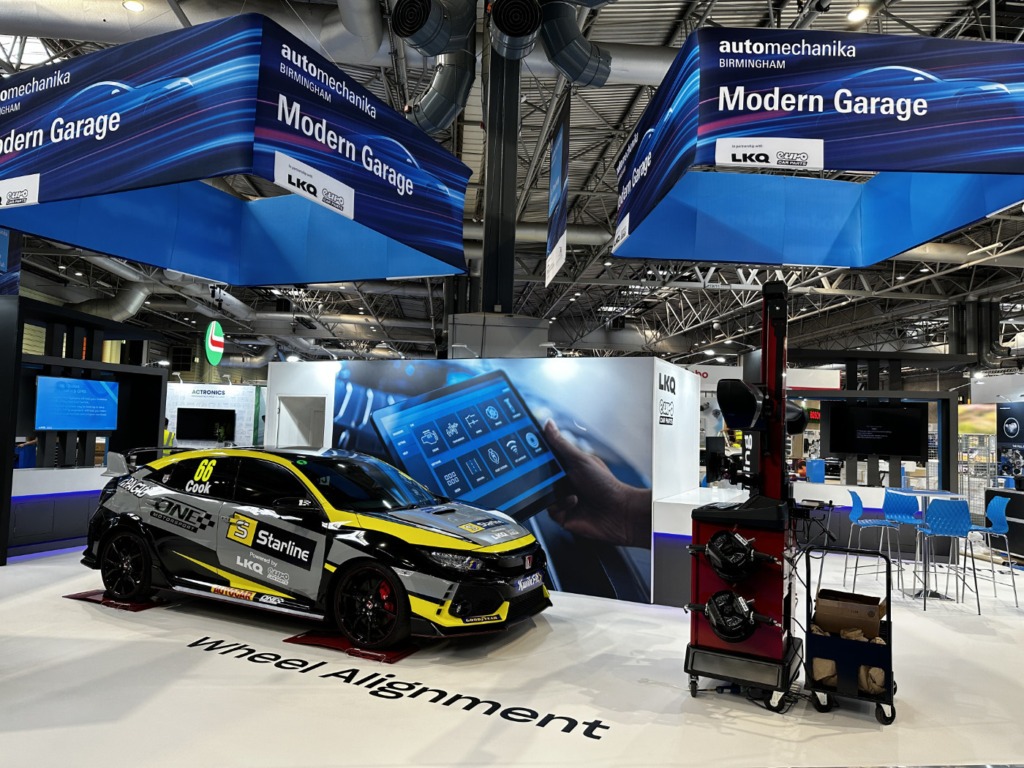
Just some of our custom exhibition stand design projects for clients such as MM Educational, Wildbrain CPLG and Modern Garage.

Working in partnership with Knole Creative was an exceptional experience from start to finish. From our initial discussions, the team provided clear guidance on design possibilities, project scope, support requirements, and costs, giving us complete confidence throughout the process.
Nick Davies, 2 Agriculture, Agriculture Director